A private well should usually be inspected once a year, with water quality testing at least annually and any time the water changes in taste, smell, color, or clarity. Pumps, pressure tanks, switches, filters, and well caps should also be checked when performance changes.
That simple schedule helps property owners catch small problems before they become no-water emergencies. Oasis Well Service helps local well owners understand what needs routine attention, what can wait, and what should be handled right away.
What should be checked during an annual well visit?
An annual well check should look at the full system, not just whether water comes out of the faucet. A well can seem fine while the pump is short cycling, the cap is loose, the tank is losing air charge, or the pressure switch is wearing out.
A useful annual inspection may include:
- Well cap condition
- Visible casing condition
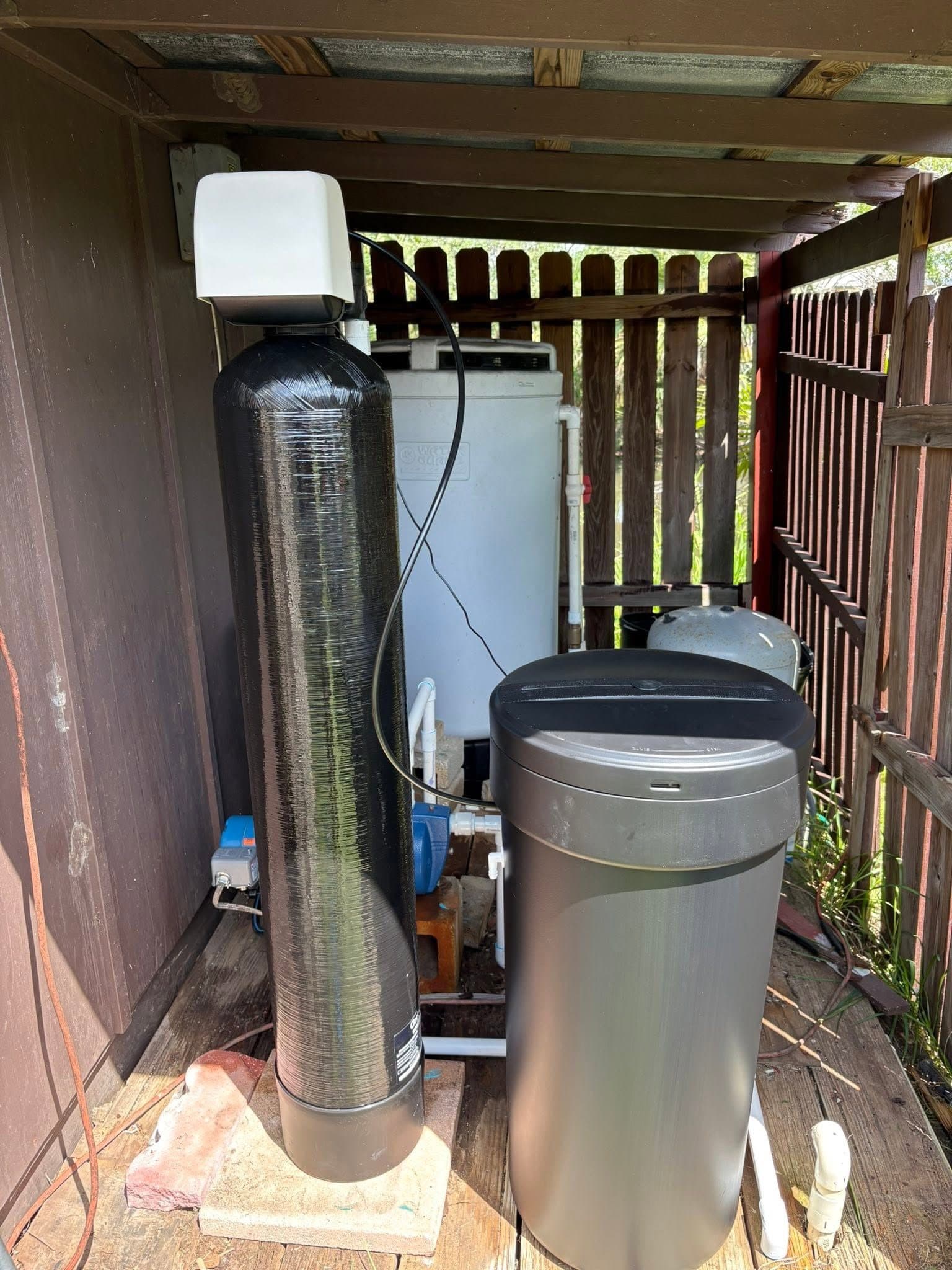
- Pressure tank performance
- Pressure switch operation
- Pump cycling behavior
- Electrical controls
- Sediment filter condition
- Signs of leaks or waterlogging
- Flow and pressure observations
- Water quality concerns
The goal is not to replace parts on a calendar. The goal is to spot risk early and keep the system reliable.
How often should well water be tested?
Many homeowners test private well water once a year for basic safety indicators such as coliform bacteria and nitrates. Water should also be tested after flooding, well repairs, nearby construction, changes in taste or smell, or a sudden increase in sediment.
The important point is that private well water is the owner's responsibility. It is not monitored the same way a municipal water supply is monitored.
Testing is also useful when buying or selling a property. A clear water test can answer questions before closing, while a failed test gives the owner a chance to correct the issue.
Does a well pump need yearly maintenance?
A submersible well pump does not usually need to be pulled and serviced every year if it is working normally. In fact, unnecessary pump pulling can add cost and risk.
What should be checked is how the pump behaves. If it starts too often, struggles to build pressure, runs constantly, trips a breaker, or delivers less water than before, the system needs diagnosis.
Many pump problems begin outside the pump itself. A weak pressure tank, worn switch, control issue, leak, or clogged filter can make a good pump act like it is failing. That is why Oasis Well Service focuses on testing the system before recommending repairs.
What maintenance can a homeowner do?
Homeowners can handle basic observation and light maintenance if they are comfortable doing so.
Useful homeowner checks include:
- Replace sediment filters on schedule
- Keep chemicals, fuel, and waste away from the wellhead
- Make sure the well cap stays secure
- Keep surface water draining away from the well
- Watch for pressure changes
- Listen for rapid pump cycling
- Note changes in water color, odor, or taste
Do not open electrical controls, adjust wiring, or pull pump equipment unless you are qualified. A well system combines water, pressure, and electricity, so guesswork can create a bigger problem.
What seasonal maintenance matters most?
Seasonal changes can affect private wells. Heavy rain can introduce surface water risk around a poorly sealed cap or casing. Dry periods can reduce recovery in some wells. Cold weather can expose weak insulation or vulnerable plumbing.
Before winter, check exposed piping, pressure equipment, and well-house protection if the system has above-ground components. Before heavy-use seasons, make sure pressure is stable and filters are not overdue.
If the property uses irrigation, livestock water, rentals, or multiple households, seasonal demand can push the system harder than normal. A pre-season check can prevent surprises.
What signs mean the well should be checked sooner?
Do not wait for the yearly schedule if the system changes. Call for service sooner if you notice:
- No water or intermittent water
- Rapid pump cycling
- Pressure dropping during normal use
- Cloudy, sandy, rusty, or discolored water
- A sulfur, rotten egg, or fuel-like smell
- A pump that runs and does not shut off
- A breaker that trips repeatedly
- Water pooling near the well or pressure equipment
These signs can point to mechanical problems, contamination risk, leaks, or water supply issues. Early diagnosis usually gives the owner more options.
How much does routine maintenance usually cost?
Routine well checks vary by property, access, testing needs, and the type of system. A basic inspection may be far less than an emergency pump replacement, while lab testing can add cost depending on what is being checked.
The more useful way to think about cost is prevention. A pressure switch, tank adjustment, filter issue, or cap repair is usually easier to handle before the pump fails or the home loses water.
Oasis Well Service can quote the right level of inspection based on the property's system and the owner's concern.
FAQ
Is annual well service required by law?
Requirements vary by location and situation, especially during real estate transactions. Even when it is not required, annual inspection and water testing are practical steps for private well owners.
Should I service my well if the water seems fine?
Yes, because some problems start before water quality or pressure obviously changes. A yearly check can catch tank, switch, cap, or cycling problems early.
How often should sediment filters be changed?
Filter timing depends on water conditions and usage. Some homes need changes every few months, while others can go longer, but a pressure drop after the filter is a strong sign it is due.
Can heavy rain affect a private well?
Yes. Heavy rain can increase contamination risk if surface water reaches a poorly sealed wellhead or damaged casing, so water changes after storms should be taken seriously.
Next step
If it has been more than a year since your well system was checked, homeowners can request well pump service sarasota fl to inspect the key components and set a practical maintenance schedule. Request a quote or ask about a routine well service visit for your property.