
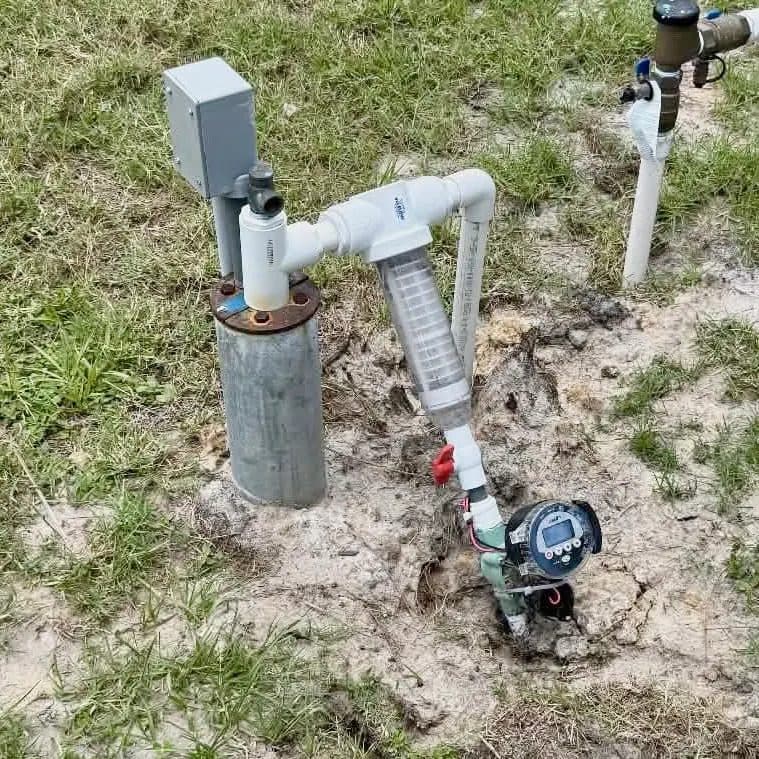
Sand in well water usually means sediment is entering the system through the well screen, pump intake, casing, or surrounding formation. It can also happen after pump work, heavy water use, drought, or changes in the aquifer.
A small amount of sediment is not always an emergency, but ongoing sand should be checked. Sand can clog filters, damage fixtures, wear out valves, and shorten the life of well equipment. Oasis Well Service can help property owners find whether the issue is a filter problem, pump placement problem, or well condition problem.
Is sand the same as normal sediment?
Not always. Sediment is a broad term that can include sand, silt, rust, mineral scale, clay, and organic material. Sand feels gritty and settles quickly in a glass or toilet tank. Silt is finer and may make water look cloudy before settling.
That distinction matters because different materials point to different causes. Rust-colored particles may come from pipes, a pressure tank, or iron in the water. Fine silt may come from the formation around the well. Larger sand grains may mean the well screen or pump location needs attention.
Why would sand suddenly appear?
Sudden sand can happen after a major change in the system. Common triggers include:
- A pump replacement or pump depth change
- A drop in groundwater level
- Heavy household or irrigation use
- Well redevelopment or repair
- A damaged or aging well screen
- A casing problem
- A filter that failed or was bypassed
If sand appears right after service work, the well may need time to clear, or the pump may be set too low. If sand appears with no recent work, the well should be inspected.
Can sand damage the well pump?
Yes. Sand is abrasive. If it moves through the pump, valves, pressure tank, and fixtures, it can wear parts over time.
The risk depends on volume. A few grains caught in a filter are different from steady grit in tubs, toilets, and appliances. Heavy sand can damage washing machine valves, water heater components, faucets, showerheads, softeners, and treatment equipment.
This is why it is better to diagnose the source rather than only adding more filters. Filtration can protect the home, but it may not fix the reason sand is entering the system.
Could the pump be set too low?
Yes. If a pump sits too close to the bottom of the well, it can pull sediment from the bottom, especially during heavy use or low water conditions.
Pump placement is a common question after a pump has been replaced or reset. The pump needs enough water above it to operate reliably, but it should not sit where it constantly draws sand and settled material.
Oasis Well Service can evaluate pump behavior, water level, and sediment patterns to decide whether pump depth may be part of the problem.
Could the well screen or casing be failing?
It is possible. A well screen is designed to allow water in while holding back formation material. If the screen is damaged, corroded, improperly sized, or surrounded by shifting formation, sand can enter.
Casing damage can also allow material or surface water to enter where it should not. This can become both a sediment problem and a water quality concern.
The age of the well matters. Older wells can develop problems over time, especially if the original construction details are unknown. A service professional may recommend inspection, redevelopment, filtration, pump adjustment, or in some cases discussion of well rehabilitation options.
What can I do at home to confirm the problem?
Start with simple observations:
- Fill a clear glass and let it sit for 10 to 20 minutes
- Check whether particles settle quickly
- Look inside toilet tanks for grit
- Note whether sediment appears after heavy water use
- Check whether both hot and cold water are affected
- Look at sediment filters before replacing them
If sand appears only in hot water, the water heater may be part of the issue. If it appears everywhere, the source is more likely the well, pump, main line, or whole-house treatment system.
Is a sediment filter enough?
Sometimes a sediment filter is enough to protect fixtures, but it may not be enough to solve the cause. If the filter loads quickly, pressure drops often, or sand continues to appear, the system needs more than a filter change.
Filters are rated by micron size. A smaller micron rating catches finer particles, but it can also reduce flow faster if the water has heavy sediment. Choosing the wrong filter can create pressure complaints without solving the source.
A well service visit can help decide whether the right answer is filtration, pump adjustment, well redevelopment, or repair.
When should sand in well water be treated as urgent?
Call for service soon if sand appears suddenly, gets worse, clogs filters quickly, comes with low pressure, or shows up after the pump has been cycling hard. Also act quickly if water is cloudy, discolored, or has a new odor.
Heavy sediment plus pressure loss can point to a bigger system problem. Waiting may lead to pump damage or clogged household equipment.
FAQ
Is sandy well water safe to drink?
Sand itself is usually a physical sediment issue, but a change in well water can also signal a water quality concern. If the water changes suddenly, consider testing it before relying on it for drinking.
Will sand clear up on its own?
Sometimes a small amount clears after service work or a short disturbance. Ongoing or worsening sand should be diagnosed because it can damage equipment.
Can a water softener remove sand?
A water softener is not designed as a primary sand filter. Sand should be removed before it reaches softeners or treatment equipment.
Why does sand show up after heavy water use?
Heavy use can lower water levels or increase flow enough to pull sediment into the pump intake. That pattern can point to pump placement, recovery, or well formation issues.
Next step
A well pump service sarasota fl inspection can identify the likely source of sand and the right protection or repair. Request a quote before the sediment damages the pump or household equipment.